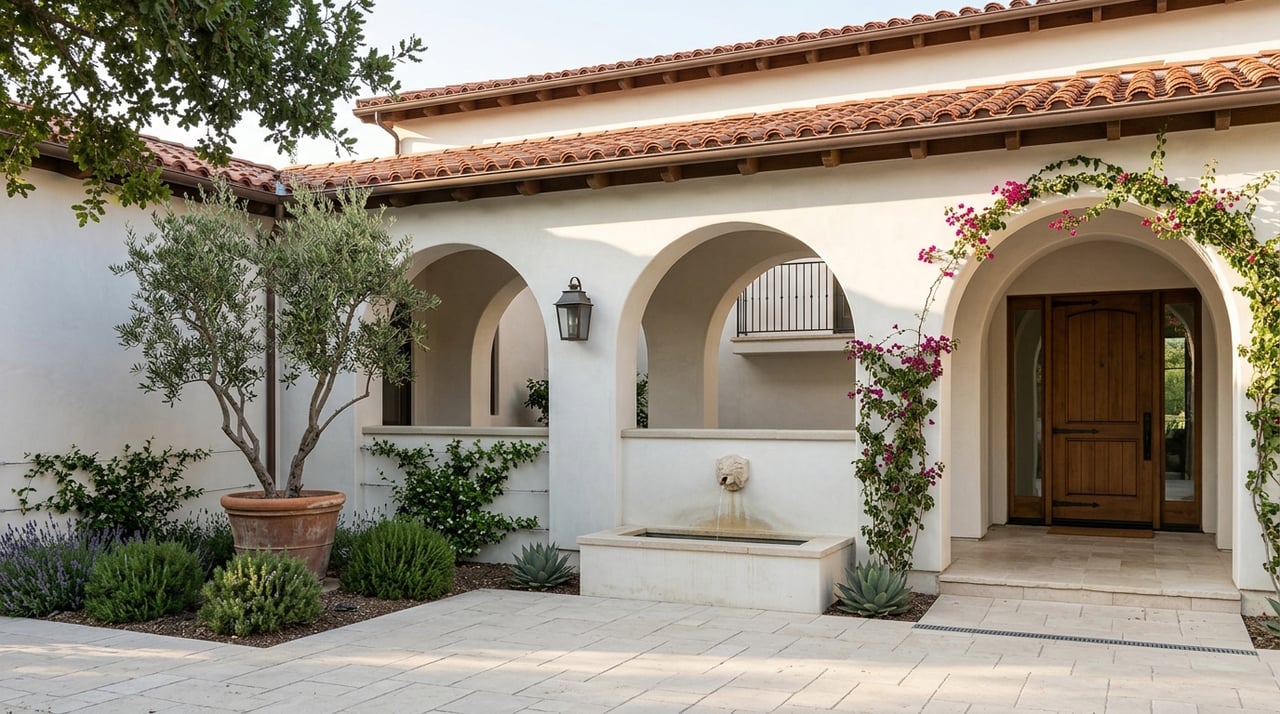
If you are preparing to sell an estate in Rancho Santa Fe’s Covenant, a standard pre-listing checklist is usually not enough. In this market, presentation is tied not only to the home itself, but also to lot scale, landscape condition, views, approvals, and how clearly the property’s lifestyle comes across online. With the right plan, you can reduce last-minute surprises and bring your home to market with more confidence. Let’s dive in.
Why Covenant estates need a different plan
The Covenant is not a typical neighborhood. According to the Rancho Santa Fe Association, it spans roughly 6,730 acres, has about 4,300 residents, and features average lot sizes of more than two acres.
That scale changes how you should prepare a property for sale. Buyers are not just evaluating square footage and finishes. They are also looking at grounds, approach, privacy, views, and how the estate lives across indoor and outdoor spaces.
The Covenant’s character is also intentionally protected. The Association notes that the Protective Covenant helps preserve landscape and architectural continuity, and the community operates with its own building and planning functions. That means listing prep often involves more than cosmetic updates.
Start with approvals and property review
Before you schedule painters, landscapers, or staging, it helps to confirm whether any planned exterior work may require review. The RSFA architectural review process identifies a wide range of items that can trigger review, including fences, gates, tree removal, exterior finishes and paint colors, front doors, windows, exterior light fixtures, grading, driveway or hardscape changes, pools, sport courts, horse-keeping facilities, guest houses, and ADUs.
This matters because timing can affect your launch. If a seller starts visible exterior improvements without first understanding review requirements, the listing timeline can become harder to control.
A practical first step is to review the full exterior scope before any work begins. That can help you separate simple maintenance from improvements that may need Association input.
Focus on the grounds first
In Rancho Santa Fe’s Covenant, the grounds are often part of the first impression and part of the value story. The community includes nearly 60 miles of private trails, open spaces, and view-oriented settings, so buyers often pay close attention to how an estate connects with its site.
That is why exterior prep deserves early attention. On a large property, overgrown edges, irrigation issues, or an underwhelming front approach can distract from the home itself.
The Rancho Santa Fe Association also notes its emphasis on water-conscious, historically compatible landscapes. A landscape tune-up that improves maintenance, irrigation efficiency, and overall appearance can support both presentation and practicality.
Key landscape priorities before listing
For many estate sellers, the most useful early tasks include:
- Refreshing the front approach and driveway edges
- Removing debris and dead plant material
- Checking irrigation coverage and repairing obvious inefficiencies
- Trimming overgrowth that blocks architecture or views
- Cleaning up trail-facing, roadside, or golf-facing edges where applicable
- Making sure outdoor entertaining areas show clearly and cleanly
The goal is not to overdesign the grounds right before launch. It is to make the property look intentional, cared for, and easy to understand.
Treat defensible space as listing prep
Wildfire readiness is not separate from marketing in this area. The Rancho Santa Fe Fire Protection District requires year-round vegetation management and a 100-foot fuel-modification zone around habitable structures.
Its guidance includes removing dead vegetation, clearing roofs and gutters, trimming branches away from rooftops and chimneys, maintaining road clearance, and keeping combustible material away from structures. For sellers, that often means a defensible-space pass should happen before photography and well before escrow.
This type of work can improve both appearance and readiness. A cleaned-up property usually photographs better, shows more clearly in person, and may help avoid rushed corrective work later.
Check AB 38 early
If your property is in a High or Very High Fire Severity Zone, AB 38 documentation rules can affect the sale. Sellers may need documentation showing compliance with defensible-space requirements before close of escrow, or a written agreement allowing the buyer to obtain that documentation within one year.
Because this can become an escrow issue, it is smart to verify hazard-zone status early in the prep process. That gives you time to handle documentation and any needed vegetation work before negotiations are underway.
Prioritize the rooms buyers notice most
Once the exterior is under control, interior prep should focus on clarity, condition, and scale. According to NAR staging research, staging can help increase perceived value and reduce time on market, and luxury homes are among the property types often recommended for staging.
NAR also reports that common recommendations include decluttering, fixing property faults, professional cleaning, carpet cleaning, painting, and landscaping. Those basics still matter, even in a high-end estate.
For room priority, NAR highlights the living room, primary bedroom, and kitchen as especially influential in buyer decision-making. In a Covenant estate, it also makes sense to give extra attention to indoor-outdoor entertaining areas, since they often help explain how the property lives on a larger scale.
Interior updates with the biggest impact
In many cases, the strongest return comes from straightforward improvements such as:
- Decluttering oversized rooms so scale reads clearly
- Deep cleaning surfaces, windows, fixtures, and flooring
- Touch-up painting or selective repainting where finishes look dated or uneven
- Repairing visible cosmetic issues before photography
- Refining furniture placement to improve flow
- Simplifying decor so architecture and views stay central
The point is not to erase personality. It is to remove friction so buyers can picture themselves in the home.
Prepare for photography, not just showings
Most buyers begin online, and visual presentation drives first impressions. NAR reports that listing photos are among the most useful features in online home searches, and that photos often determine whether a buyer takes the next step.
That is especially true for larger estates, where buyers are deciding from a distance whether a property is worth an in-person visit. If the images do not quickly communicate scale, layout, and setting, the listing may lose attention early.
NAR’s photo prep guidance recommends clean fixtures, thorough dusting, minimal props, reduced visual clutter, and careful attention to image distortion from overly wide angles. In practice, that means your final staging pass should be built around the camera.
The visual assets that matter most
For a Rancho Santa Fe estate, the strongest launch package usually includes:
- High-resolution professional photography
- Drone or aerial imagery to show lot scale and setting
- A measured floor plan
- A virtual tour
- A concise property brochure focused on grounds, views, and key amenities
According to NAR, virtual tours and floor plans are especially useful for larger homes because they help buyers understand room connections, layout, and scale.
Match marketing to the Covenant lifestyle
In the Covenant, lifestyle is part of the listing story. The Association’s trails, fields, and open spaces overview highlights the community’s private trail network, open space, golf-related settings, and scenic character.
That does not mean every marketing piece should sound sweeping or generic. It means the property’s visual package should clearly show how the home relates to its grounds, views, outdoor gathering areas, and surrounding setting.
The order of images matters too. NAR notes that the first image and photo sequencing can influence engagement, so the lead image should usually be the strongest exterior or lifestyle-driven shot, followed by the clearest supporting images that explain the property.
Use a structured prep timeline
Luxury listing prep tends to go more smoothly when each step happens in the right order. Based on the local approval, fire-safety, disclosure, staging, and marketing factors in this market, a structured sequence can help you avoid rework.
A useful flow often looks like this:
- Confirm fire severity zone status and review whether planned exterior work may need RSFA approval.
- Complete defensible-space work, landscape cleanup, and irrigation corrections.
- Finish seller-side inspections, repairs, and disclosures.
- Stage the home and prepare it for photography.
- Launch with a complete visual package and polished marketing materials.
This sequence helps protect both timing and quality. It also reduces the chance that a listing goes live before the property is fully ready.
Where Compass Concierge can help
For some sellers, the scope of prep is clear but the timing of out-of-pocket costs is less convenient. That is where Compass Concierge can fit into the process.
According to Compass, Concierge may cover services such as staging, deep cleaning, decluttering, cosmetic renovations, landscaping, interior and exterior painting, HVAC work, roofing repair, moving and storage, pest control, seller-side inspections and evaluations, kitchen and bathroom improvements, pool and tennis court services, and plumbing-related work. Compass also notes that payment is generally deferred until close, when the listing ends, or after 12 months, subject to program terms.
Compass also states that sellers can begin as a Private Exclusive, move to Coming Soon, and then launch to the MLS and third-party sites once prep is complete. For estate properties, that sequencing can support a more deliberate rollout instead of rushing to market before the home is fully prepared.
Don’t overlook disclosures
In California, disclosures are a core part of the sale process, not a final administrative step. The California Department of Real Estate explains that a seller’s and cooperating agent’s duties include a reasonably competent and diligent visual inspection and disclosure of material facts affecting value, desirability, and intended use.
In a covenant-controlled and fire-aware community, that makes early organization especially important. Exterior conditions, hazard-related issues, deferred maintenance, and property-specific features should be reviewed in enough time to avoid compressing disclosure work at the end.
When prep, inspections, and disclosure planning happen together, you can usually move into launch with fewer surprises and a stronger overall presentation.
Strategic listing prep in Rancho Santa Fe’s Covenant is really about alignment. The grounds, the home, the approvals, the disclosures, and the marketing all need to support the same message: that the property is well prepared, well presented, and ready for serious consideration. If you are planning a sale and want a more tailored prep strategy, Cohen Albrecht Real Estate Group can help you map out the process with the discretion, visual standards, and Compass-backed resources that high-value properties often require.
FAQs
What exterior changes in Rancho Santa Fe’s Covenant may require review?
- The RSFA notes that items such as paint colors, fences, gates, tree removal, lighting, grading, driveway or hardscape changes, pools, windows, front doors, and similar exterior improvements can require review.
What listing prep tasks matter most for large estate homes?
- Decluttering, deep cleaning, selective painting, visible repairs, landscape refresh, and staging key living areas typically have the biggest impact before launch.
Why are photos and virtual tours so important for Covenant estates?
- Many buyers start online, and strong photos, floor plans, and virtual tours help them understand the property’s scale, layout, and setting before they visit in person.
How does wildfire compliance affect a Rancho Santa Fe home sale?
- Sellers should check whether the property is in a High or Very High Fire Severity Zone, because AB 38 documentation or related defensible-space requirements may affect escrow timing.
How can Compass Concierge support estate listing prep?
- Compass Concierge may help cover eligible pre-listing services such as staging, landscaping, cleaning, painting, repairs, and inspections, with payment generally deferred according to program terms.