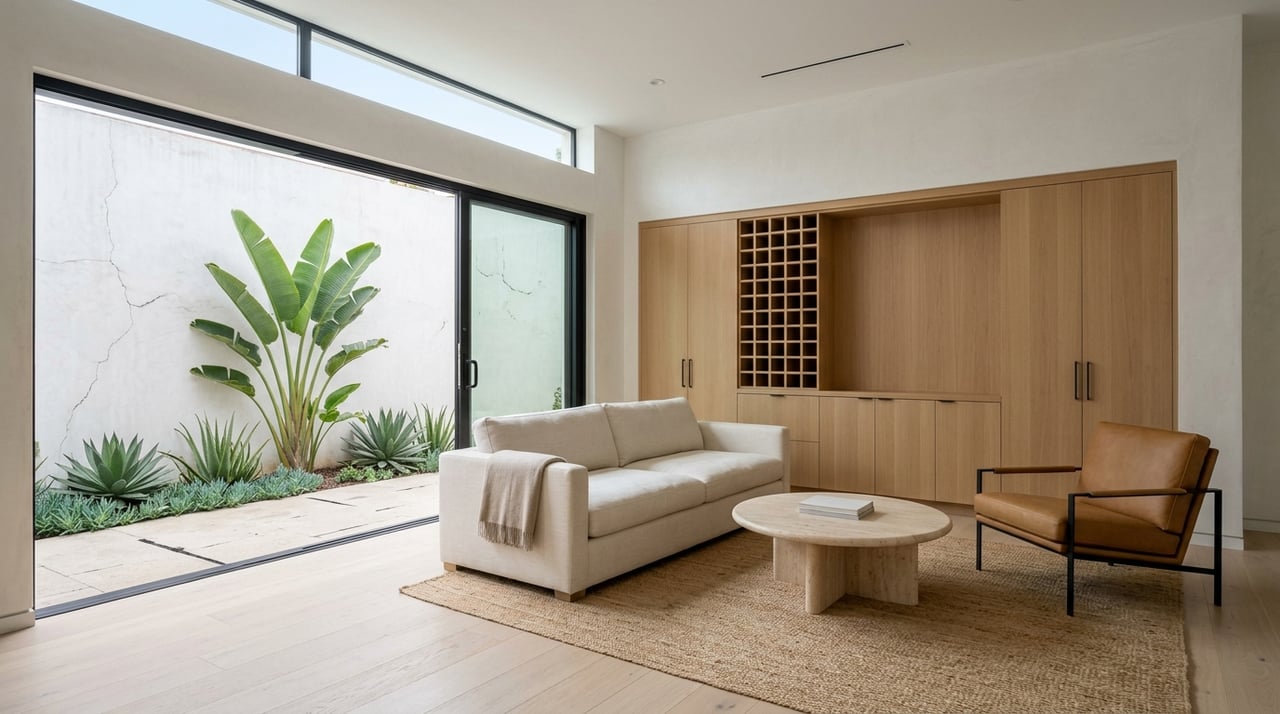
If you picture a furnished beach home in La Jolla Shores as a simple vacation getaway, think bigger. In this part of coastal San Diego, you are often buying a scarce residential asset in one of the region’s most established beach communities, with real lifestyle upside and real ownership responsibilities. If you are considering a second home, seasonal rental, or long-term hold, this guide will help you think through what matters most. Let’s dive in.
Why La Jolla Shores Stands Out
La Jolla has drawn visitors for well over a century, and the City of San Diego describes it as a community of regional and statewide significance under the California Coastal Act. The broader La Jolla area includes major institutions and destinations like UC San Diego, Scripps Institution of Oceanography, Birch Aquarium, and the La Jolla Playhouse. At the same time, the city notes that La Jolla remains largely residential, with a strong civic identity.
La Jolla Shores offers a very specific kind of coastal appeal within that larger setting. The beach itself stretches about one mile, and the city says summer waves are usually the gentlest of any San Diego beach. Permanent lifeguard stations, nearby park amenities, and easy access to surfing, scuba, kayaking, and family beach use all add to its year-round draw.
For buyers, that appeal matters because supply is limited. The La Jolla Community Plan states the area is about 99 percent built out, which means growth tends to come through infill rather than major new development. In practical terms, a furnished home in La Jolla Shores is often less about chasing novelty and more about holding a rare coastal position.
Furnished Ownership Means More Here
A furnished home in La Jolla Shores should do more than look polished in listing photos. It should support how people actually live near the beach, whether that means extended personal use, seasonal occupancy, or allowed rental use. In this market, the strongest ownership strategy usually blends comfort, durability, and ease of upkeep.
Local planning documents also give useful context. The La Jolla Shores design framework emphasizes residential character, and it describes the area as primarily single-family in feel, with multi-family and apartment uses intended as principal residences rather than hotel-style occupancy. That makes it important to view a furnished home here as part of a coastal neighborhood first, not just an income property.
This distinction shapes smart buying decisions. A home that is beautifully furnished but hard to maintain can become expensive quickly in a marine environment. A home that is thoughtfully furnished for repeat use, storage, cleaning, and indoor-outdoor flow is often better aligned with the realities of ownership in the Shores.
Design That Fits La Jolla Shores
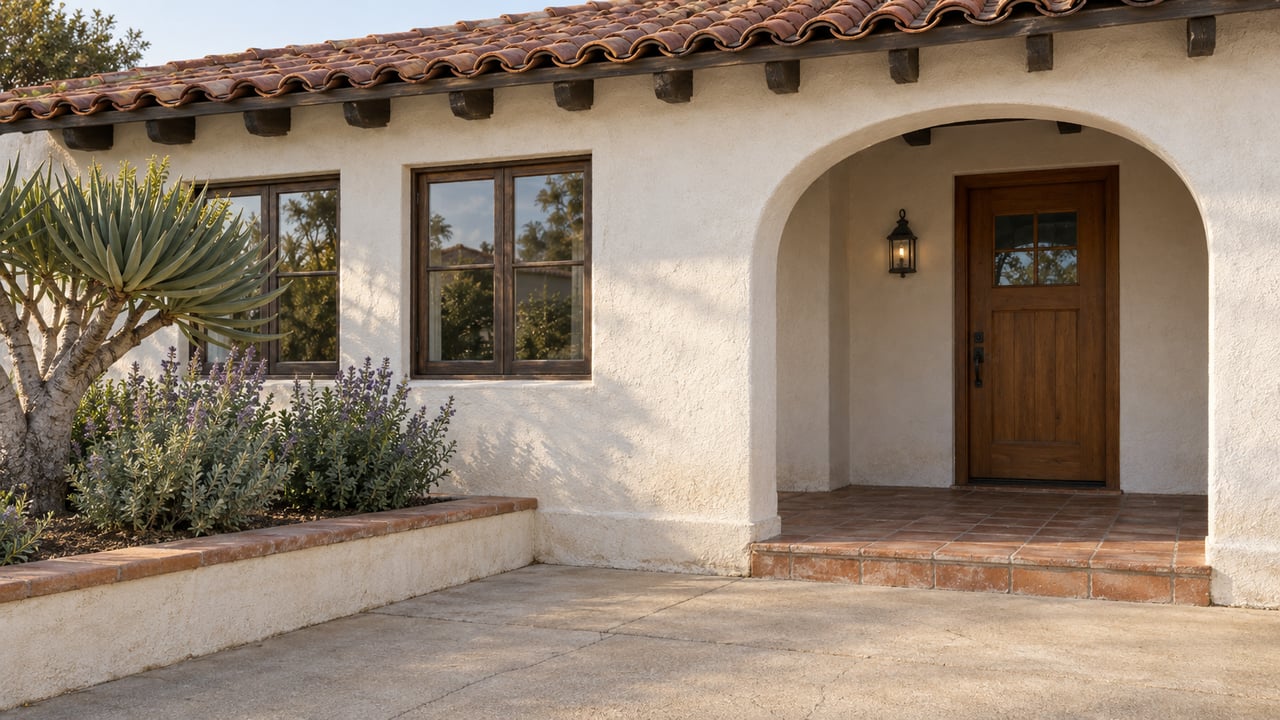
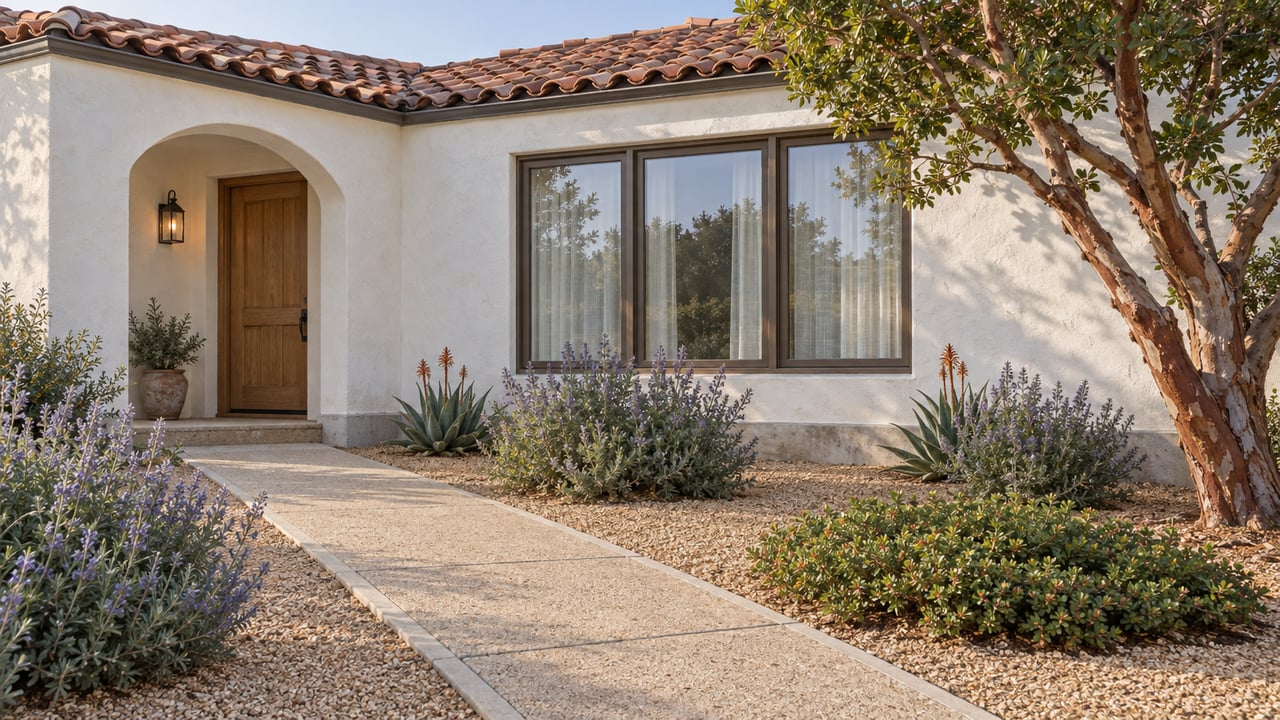
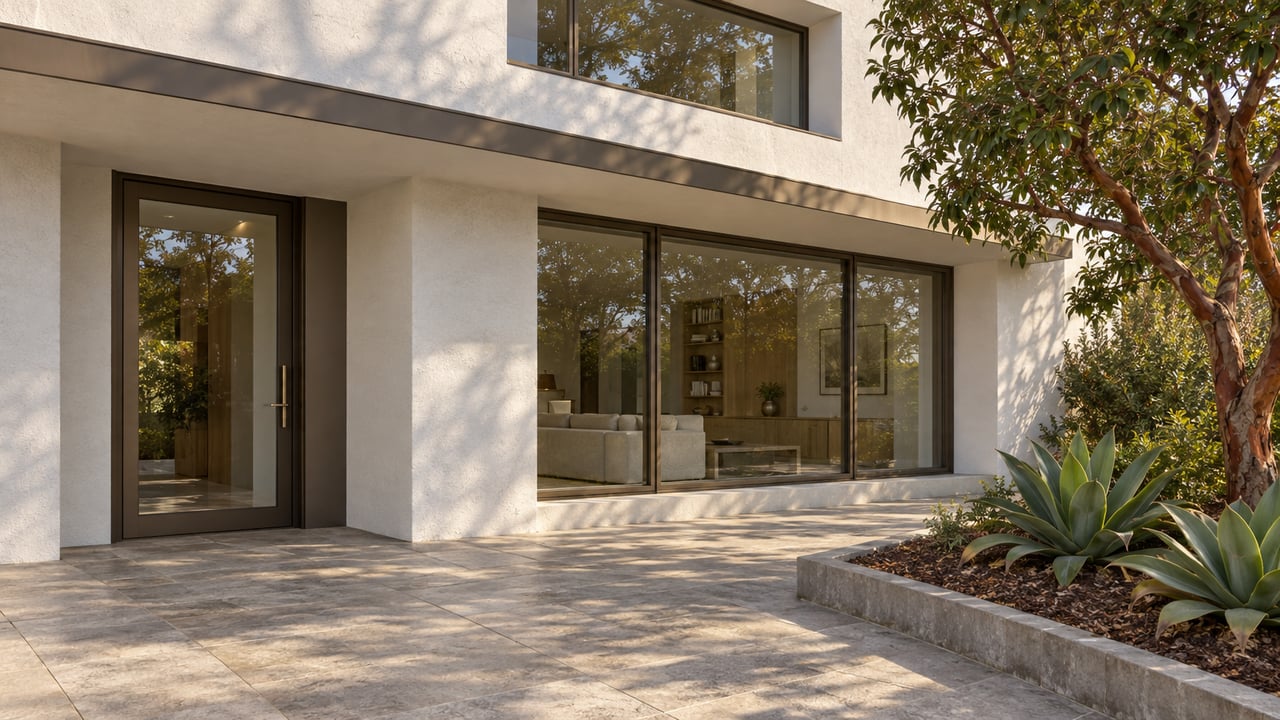
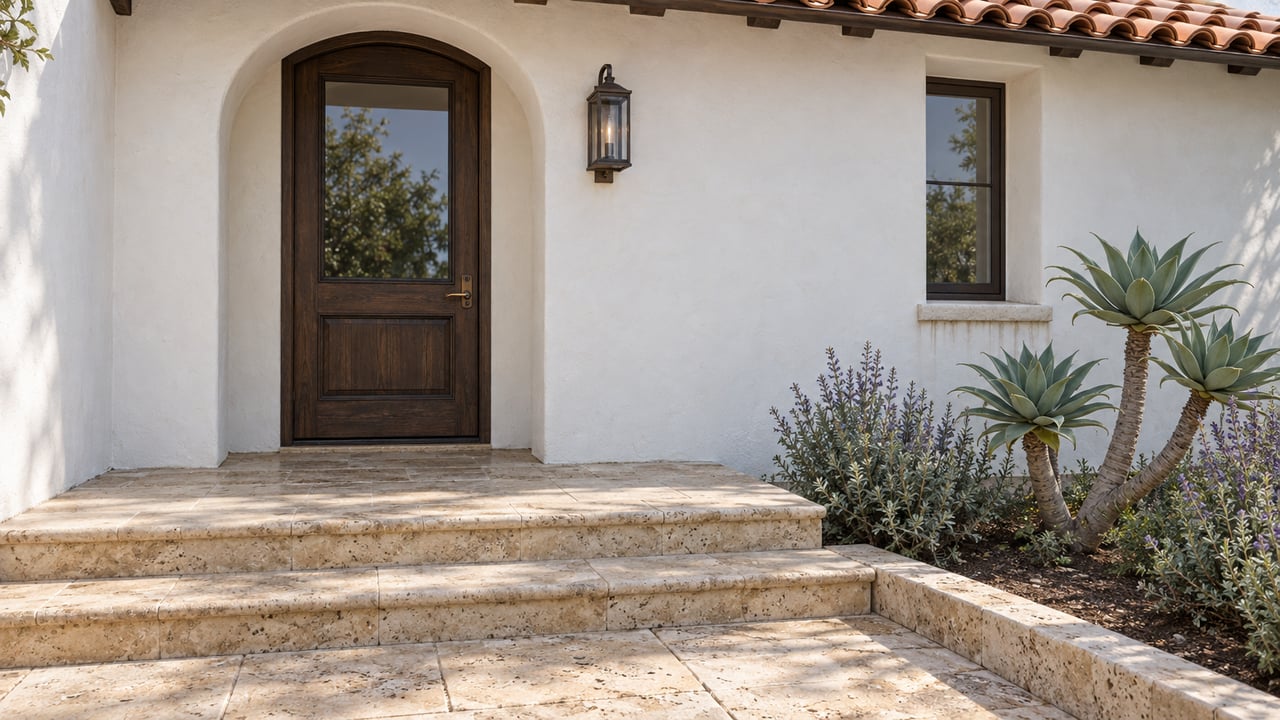
The La Jolla Shores design manual points to a local architectural language with glass, patios, decks, low rooflines, and natural materials, often with Spanish and Mediterranean influences. That pattern supports a relaxed, indoor-outdoor way of living. It also suggests that furnishings should feel elevated without being overly delicate.
In many homes, the best approach is to let the architecture do the talking. Clean-lined seating, natural textures, easy-care surfaces, and a restrained palette often fit better than highly themed or overly seasonal décor. You want the home to feel beach-ready, but not disposable.
That matters for both daily enjoyment and resale appeal. A furnished property that feels cohesive with the home’s architecture often photographs better, lives better, and presents more confidently to future buyers. In a market like La Jolla Shores, thoughtful presentation is part of protecting value.
Choose Materials for Coastal Wear
Marine air is not gentle on homes. NOAA guidance notes that salt spray can corrode building materials, while moisture can contribute to decay in building components. It also notes that termites are common in coastal areas with high humidity.
That risk profile should influence how you furnish the home. In practical terms, many owners will want to favor corrosion-resistant hardware, outdoor-rated pieces where appropriate, washable textiles, removable slipcovers, sealed surfaces, and storage that protects cushions, linens, and beach gear between uses. These are not style compromises. They are sensible responses to the local environment.
The goal is simple: create a home that can handle real use without losing its finish or comfort too quickly. In La Jolla Shores, the most successful furnished homes usually look refined while quietly absorbing sand, moisture, salt air, and frequent cleaning.
Plan for Ongoing Maintenance
A beach home is rarely a set-it-and-forget-it asset. NC State Extension recommends setting aside 1% to 3% of a home’s market value each year for maintenance and repairs. It also recommends inspecting the home and yard at least every six months, or every three months if possible.
For a furnished coastal property, that maintenance rhythm becomes even more important. Roof and gutter cleaning, exterior paint review, HVAC service, filter replacement, caulking, and regular window and door checks can help you catch minor problems before they become costly repairs. Near the beach, small issues often accelerate faster than owners expect.
This is one reason experienced buyers look beyond the furniture itself. A turnkey home is appealing, but the better question is whether the home is set up for repeat preservation. Strong storage, durable finishes, and a sensible maintenance cadence often matter just as much as the initial design package.
Think About Guest Turnover and Storage
La Jolla Shores is heavily used for swimming, surfing, diving, kayaking, and beach gatherings, and nearby Kellogg Park includes practical amenities like restrooms and showers. Summer parking can fill quickly, and the area sees steady recreational use. For owners, that means daily life around the property can be active, seasonal, and gear-heavy.
If you plan to share the home with guests or use it seasonally, storage becomes a major quality-of-life feature. Benches, built-ins, gear closets, secure outdoor storage, and clearly organized linen systems can make the home easier to manage. They also help reduce wear on interior spaces.
This is where furnished ownership becomes operational, not just aesthetic. The best setups make arrival easy, cleanup simple, and departures efficient. That supports your own enjoyment while helping preserve the home between stays.
Understand San Diego Rental Rules
If you are considering rental income, local rules should be part of your decision from the start. The City of San Diego says it is unlawful to operate a short-term residential occupancy without an STRO license. That ordinance is the key legal framework for owners thinking about short-term use in La Jolla Shores.
For stays of less than one month, the city also requires a Transient Occupancy Registration Certificate and the collection and remittance of transient occupancy tax. The city states that current TOT rates changed effective May 1, 2025, and now vary between 11.75%, 12.75%, and 13.75% depending on tax zone. The exact rate should be verified for the specific parcel using the city’s tax-zone lookup process.
The city also says hosts must have an active TOT certificate and an active, paid Rental Unit Business Tax account. If the host is not the owner, the host must also obtain a Business Tax Certificate and provide a right-to-occupy document. In addition, owners who rent all or part of a property for more than 6 days in a calendar year are responsible for Rental Unit Business Tax.
Know the Tier 3 Reality
La Jolla Shores is in the La Jolla community, not Mission Beach, so a whole-home short-term rental would generally be treated as Tier 3 under the city’s STRO framework. That matters because Tier 3 use is not open-ended. It comes with specific operating rules that can affect whether a property fits your goals.
According to the city, a host may hold only one STRO license at a time, and each dwelling unit needs its own license and host. Tier 3 whole-home use outside Mission Beach is also subject to a citywide cap, a 2-night minimum stay, quarterly reporting, and a minimum utilization requirement of 90 days per year. The city also states that STRO use of 21 to 89 days per year is not allowed.
For buyers, this is one of the most important takeaways in the entire process. If you are buying with a seasonal rental strategy in mind, the property has to work within the city’s framework, not just your calendar. Careful planning upfront can save a great deal of frustration later.
Check Property-Specific Constraints
Not every ownership question can be answered at the neighborhood level. You will want to confirm whether the specific property is eligible for your intended use, whether any HOA or condo rules add restrictions, and whether current city registrations or tax obligations are in place if the home has been rented before. These are parcel-specific questions, and they matter.
Exterior work also deserves attention. In La Jolla Shores, the La Jolla Shores Advisory Board reviews permits for consistency with the La Jolla Shores Planned District Ordinance. If you are thinking about additions or visible exterior changes, local design review may come into play.
In some cases, coastal permitting may matter as well. The California Coastal Commission says coastal development permit applications should address sea level rise in the hazards analysis when a site may be subject to inundation, flooding, wave impacts, erosion, or saltwater intrusion. Even if your focus is furnishing, future improvement plans should be part of due diligence.
Review Flood and Insurance Exposure
A coastal address does not automatically mean every parcel has the same flood profile. FEMA guidance says Zones V and VE are high-risk coastal areas with an added storm-wave hazard, and flood insurance is mandatory for federally backed mortgages in high-risk areas. FEMA also says flood maps change over time and should be checked annually.
That makes parcel-level review essential. Before you buy, confirm the property’s current flood zone, ask how that affects insurance requirements, and understand whether the home’s location changes your long-term carrying costs. Assumptions can be expensive in a beach market.
This is especially important if you are comparing multiple properties in the Shores. Two homes that seem similar from a lifestyle standpoint may carry different risk and insurance profiles based on their exact siting.
What a Smart Purchase Looks Like
In La Jolla Shores, a well-chosen furnished home usually checks several boxes at once. It fits the area’s residential character, supports indoor-outdoor living, uses materials that can stand up to a marine environment, and aligns with your real plan for personal use or permitted rental use. It is not just attractive on day one. It is workable over time.
That is why buyers here benefit from local guidance that goes beyond square footage and finishes. In a near-built-out coastal market with design oversight, rental rules, and property-specific operating considerations, details matter. The right home can be a remarkable lifestyle asset, but only if the fundamentals are right.
If you are exploring a furnished beach home in La Jolla Shores, working with a team that understands both the lifestyle and the mechanics can make the process far more efficient. To discuss opportunities, due diligence, and strategy in this market, schedule a private consultation with Cohen Albrecht Real Estate Group.
FAQs
What makes La Jolla Shores attractive for a furnished beach home?
- La Jolla Shores combines a one-mile sandy beach, gentle summer waves, strong recreational appeal, and a mostly built-out coastal setting, which supports long-term desirability and limited supply.
What furnishings work best in a La Jolla Shores beach home?
- Durable, easy-clean pieces usually make the most sense, including washable textiles, sealed surfaces, corrosion-resistant hardware, and storage systems that protect beach gear, cushions, and linens.
What maintenance should you expect with a beach home in La Jolla Shores?
- Coastal owners should plan for regular inspections, routine upkeep, and an annual maintenance budget, with close attention to salt-air wear, moisture exposure, caulking, HVAC service, and exterior condition.
What short-term rental rules apply to La Jolla Shores homes?
- Short-term rental use in the City of San Diego requires an STRO license, and stays under one month also require a TOT registration certificate, tax collection, and compliance with city operating rules.
What is Tier 3 short-term rental use in La Jolla Shores?
- Whole-home short-term rentals in La Jolla Shores are generally treated as Tier 3, which includes a 2-night minimum stay, quarterly reporting, a citywide cap outside Mission Beach, and a 90-day minimum annual utilization requirement.
What property checks matter before buying in La Jolla Shores?
- You should confirm intended rental eligibility, parcel-specific tax and license status, any HOA or condo restrictions, possible design review for exterior changes, and the property’s current flood zone and insurance implications.