You come to La Jolla for the coastline and stay for the timeless streets that lead to the water. In Lower Hermosa, palms line short blocks that slope toward rocky coves, and the ocean feels close at every turn. If you love classic architecture, quiet coastal living, and a setting that still feels like “Old La Jolla,” this pocket belongs on your short list.
In this guide, you’ll learn how Lower Hermosa is laid out, what the architecture looks like, what to expect from the market, and the key due diligence to do near the coast. You’ll also get a feel for everyday life, from Camino de la Costa to nearby Windansea. Let’s dive in.
Lower Hermosa at a glance
Lower Hermosa sits west of La Jolla Boulevard between Windansea to the north and Bird Rock to the south. The neighborhood fronts La Jolla’s southern bluffs and rocky coves, with small streets stepping down toward the ocean.
It is a compact, primarily single-family area with roughly 260 residences and only a small number of true oceanfront lots. You will not find a commercial strip inside the tract, so you walk or bike a short distance to Bird Rock or La Jolla Village for cafés, bakeries, shops, and services.
Signature public places nearby include Windansea Beach, the rocky coves and surf breaks near Big Rock Reef, and a small overlook known as La Jolla Hermosa Park. Camino de la Costa, the curving oceanfront route through the neighborhood, offers the most continuous bluffline promenade and viewpoints.
Architecture and “Old La Jolla”
Lower Hermosa’s look took shape in the 1920s, when the tract was subdivided and promoted with paved streets, palms, and carefully planned lots. The neighborhood’s early identity is well documented in local history, including period plans and the role of tract architects from that era. You can explore that background in the San Diego History Center’s profile of La Jolla Hermosa’s 1920s development and designers, including Edgar V. Ullrich and Thomas Shepherd, who are closely associated with the area’s early homes. The San Diego History Center provides an in-depth overview of this 1924–1928 building period and design influences.
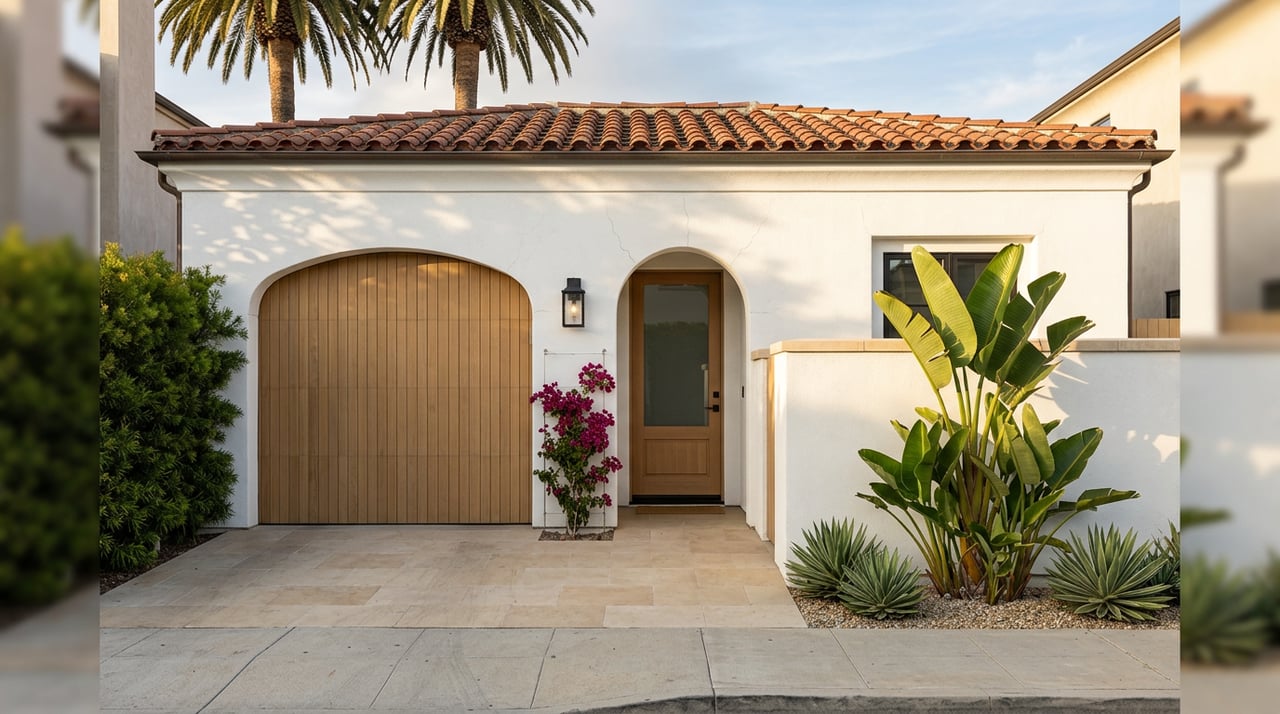
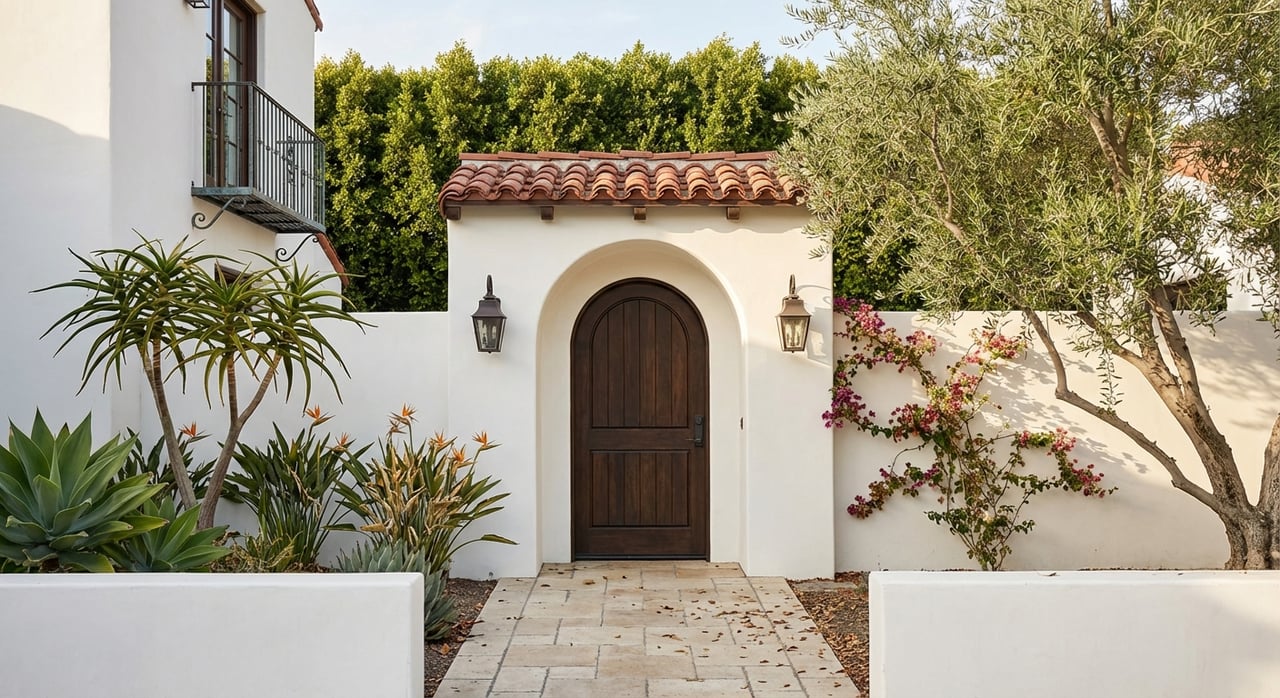
You see a high concentration of Mediterranean and Spanish Revival villas, French Normandy elements, and occasional Colonial Revival cottages. Over time, mid-century homes and warm-minimal contemporary rebuilds appeared, especially on prized lots. The result is a streetscape of stucco walls, red tile roofs, sheltered courtyards, and mature landscaping alongside some clean-lined modern replacements, especially near the bluff.
Camino de la Costa highlights
Camino de la Costa is Lower Hermosa’s defining oceanfront street. Locals often call it La Jolla’s “Street of Dreams” because so many of the neighborhood’s notable estates line this bluffside curve. For a history-forward look at the street’s role in shaping La Jolla’s coastal identity, see this overview of Camino de la Costa, known as the “Street of Dreams”.
A morning or sunset walk here gives you the essence of Lower Hermosa: panoramic water views, protected coves, and a quiet, residential rhythm. Properties on this stretch command some of the area’s strongest premiums due to shoreline proximity and sightlines.
Homes and pricing patterns
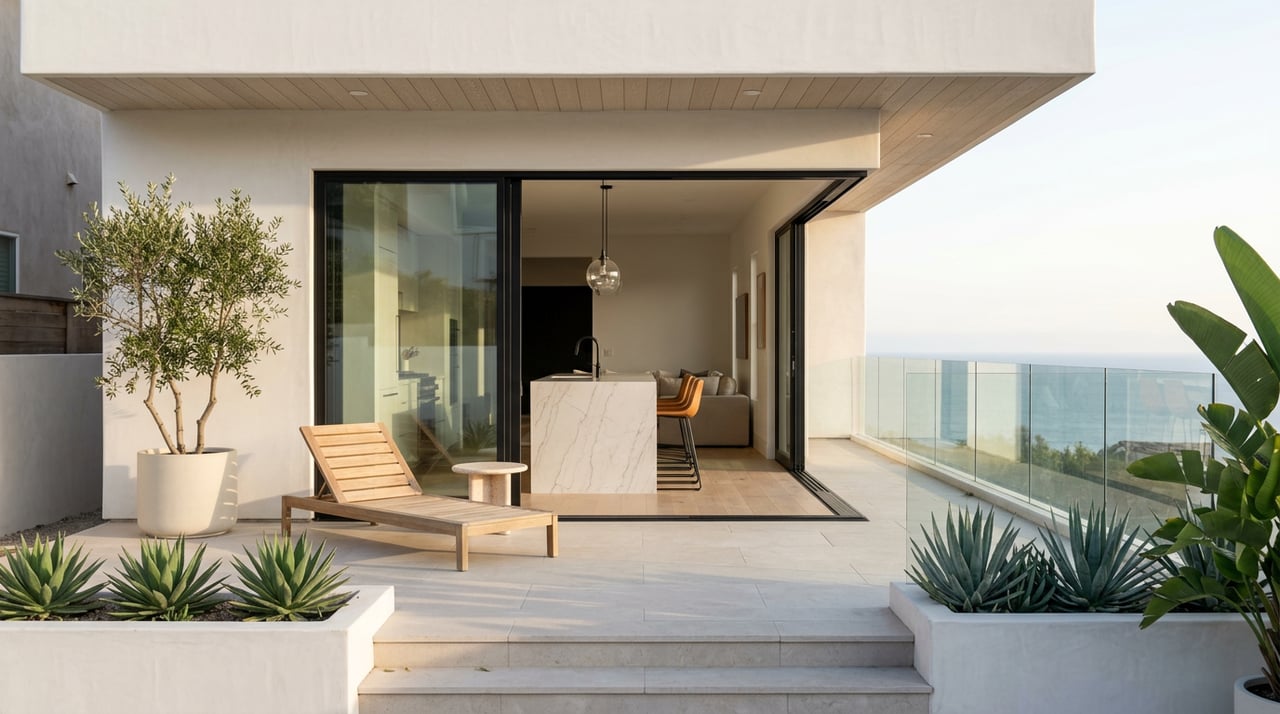
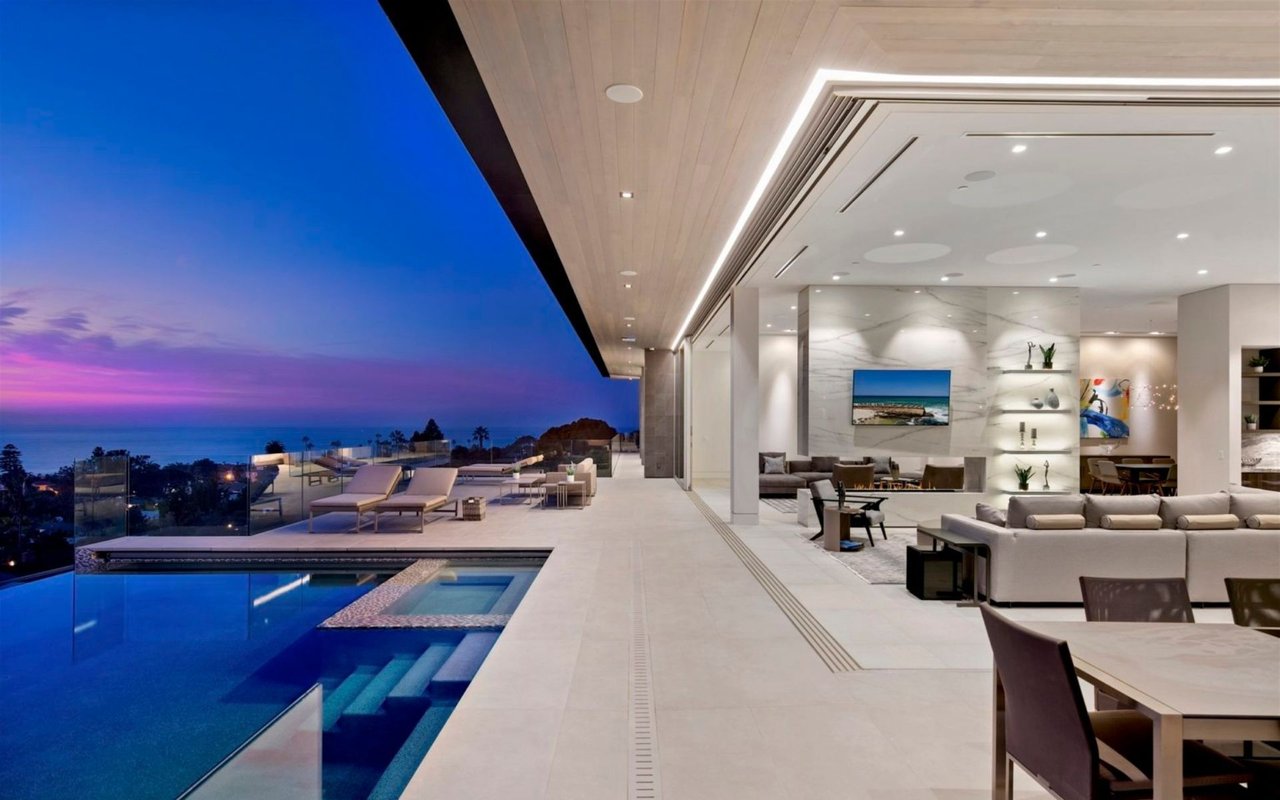
You will find a range of property types: period villas from the 1920s and 1930s, modest beach cottages, mid-century and minimalist mansions, and contemporary rebuilds that maximize views with larger windows and rooftop or upper-level decks.
Lower Hermosa sits at the high end of La Jolla’s market. Inland homes often trade in the multi-million range, while oceanfront and bluff-edge properties can reach double-digit millions and, in exceptional cases, tens of millions. In recent years, several Camino de la Costa oceanfront transactions set countywide headlines and were sometimes completed off-market through LLCs. Inventory is limited and listings can be rare, which is why buyers often act decisively when the right lot, view corridor, or architectural pedigree appears.
Everyday living and access
Lower Hermosa is made for walking. Short blocks, sidewalks, and alleys guide you to bluff viewpoints and beach access points. Camino de la Costa is a favorite for scenic strolls and cycling, while Windansea’s surf break and nearby tidepools offer daily outdoor activity.
For coffee and errands, you head a few blocks to Bird Rock’s small café and bakery scene, or up to The Village for galleries, dining, and services. The neighborhood stays intentionally quiet, with the energy of shops and restaurants close enough for a quick bike ride.
Schools and services
Lower Hermosa addresses are commonly associated with Bird Rock Elementary, Muirlands Middle, and La Jolla High within San Diego Unified. Always verify enrollment and boundaries for a specific property with the district. For broader neighborhood context, the City’s La Jolla community page is a useful start. You can review the City of San Diego’s La Jolla community information here.
Medical services, including Scripps facilities, and access to downtown San Diego and the airport are a reasonable drive from the neighborhood.
Who chooses Lower Hermosa
- Buyers drawn to classic coastal architecture and the feel of an established La Jolla address.
- Empty nesters and downsizers who want ocean-close living with a quieter residential setting.
- High-net-worth buyers seeking oceanfront estates, often valuing privacy and discretion.
If you are looking for a lock-and-leave coastal home, a historically styled villa, or a modern residence that frames the horizon, Lower Hermosa rewards patience and preparation.
Buyer’s due diligence near the coast
Understand coastal hazards
Bluff retreat, wave-driven storm damage, and sea-level rise are material considerations for bluff-top and beach-adjacent properties. State guidance summarizes the long-term risk of accelerated erosion and periodic flooding that can affect private parcels near the shoreline. Review the California Sea Level Rise Guidance and consult site-specific geotechnical reports early in your process.
Know the rules on access and armoring
Coastal development permits govern elements like seawalls and private stairs. Policies emphasize public access and careful review of shoreline structures, and approvals can be limited or conditioned. A notable California case highlights how access rules can affect private bluff improvements. For background on how public-access policy intersects with private coastal property, see this California Court of Appeal decision summary.
Plan for permits and rebuilds
Many Lower Hermosa homes have been retrofitted or rebuilt to increase square footage and capture views. Expect building and coastal permits, along with geotechnical review and bluff-setback analysis where relevant. Start design conversations early so your team can align architecture, engineering, and permit pathways.
Budget for insurance and resilience
Confirm insurance options, including any coastal or wildfire-related considerations for your carrier. Ask about drainage, foundation maintenance, and any shoreline-related monitoring that supports long-term resilience.
Start your Lower Hermosa search
Lower Hermosa offers the best of classic La Jolla living: palm-lined bluff walks, architectural character, and a quiet residential feel within minutes of cafés and the Village. With scarce inventory and a market that rewards discretion, the right guidance can make all the difference.
If you are considering a purchase or preparing to list, connect with seasoned local advisors who combine neighborhood knowledge with premium presentation and enterprise marketing reach. Schedule a Private Consultation with the Cohen Albrecht Real Estate Group to explore your options.
FAQs
What defines Lower Hermosa’s location in La Jolla?
- It sits west of La Jolla Boulevard between Windansea and Bird Rock, with short streets that slope toward La Jolla’s southern bluffs and coves.
Why is Camino de la Costa called the “Street of Dreams”?
- It concentrates many of Lower Hermosa’s most notable oceanfront estates and provides a dramatic bluffside promenade with panoramic views.
What architectural styles are common in Lower Hermosa?
- You see 1920s–1930s Mediterranean and Spanish Revival, French Normandy, some Colonial Revival, plus mid-century homes and contemporary rebuilds.
How competitive is the Lower Hermosa market?
- Inventory is limited, oceanfront lots are scarce, and top-tier properties can transact off-market, so well-prepared buyers often act quickly.
What price ranges should I expect?
- Inland homes often sell in the multi-million range, while oceanfront and bluff-edge properties can reach double-digit millions and, in rare cases, tens of millions.
Are there public schools near Lower Hermosa?
- Addresses are commonly associated with Bird Rock Elementary, Muirlands Middle, and La Jolla High, but always verify attendance for a specific property.
What coastal risks should buyers consider?
- Bluff retreat, storm-driven waves, and sea-level rise are real planning considerations; review state guidance and obtain site-specific geotechnical reports.
Can I build private stairs to the beach?
- Private bluff access faces strict review and is not guaranteed; permits depend on site conditions and policy, and past cases show careful limits.
Is Lower Hermosa walkable for daily needs?
- The neighborhood is very walkable for recreation, with cafés and shops a short walk or bike ride away in Bird Rock and La Jolla Village.
How many homes are in Lower Hermosa?
- Neighborhood guides commonly cite roughly 260 total residences, with only a small number of true oceanfront lots.