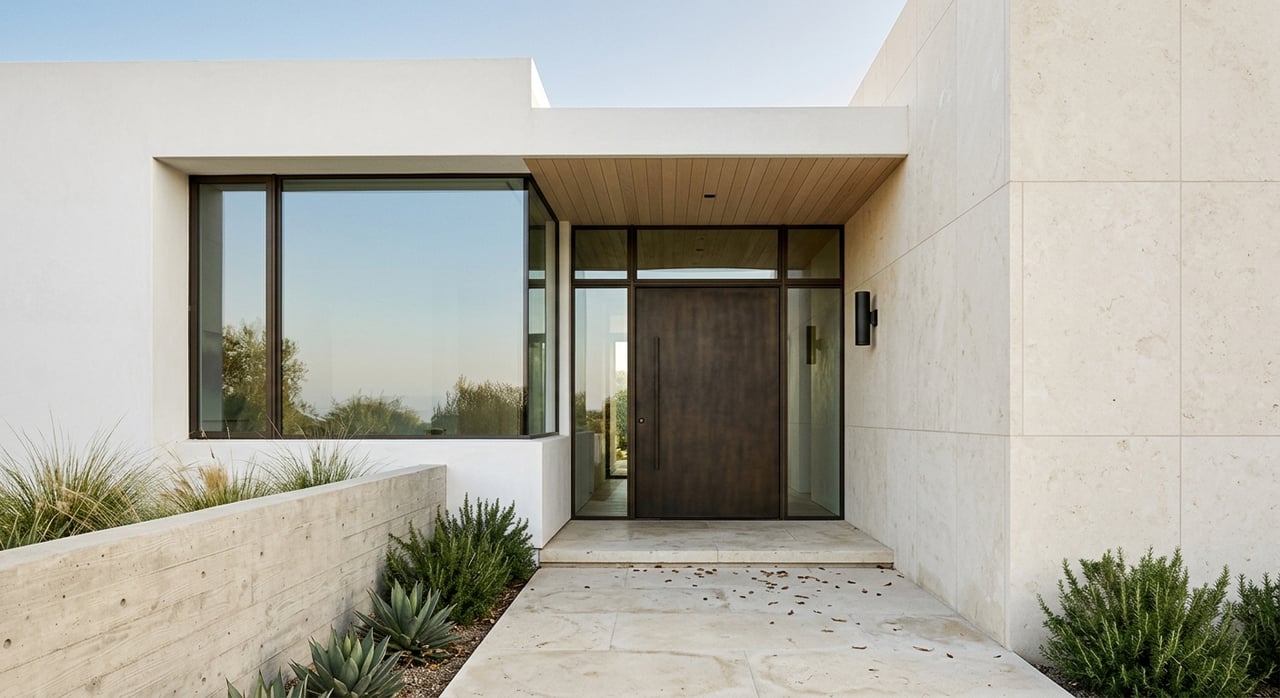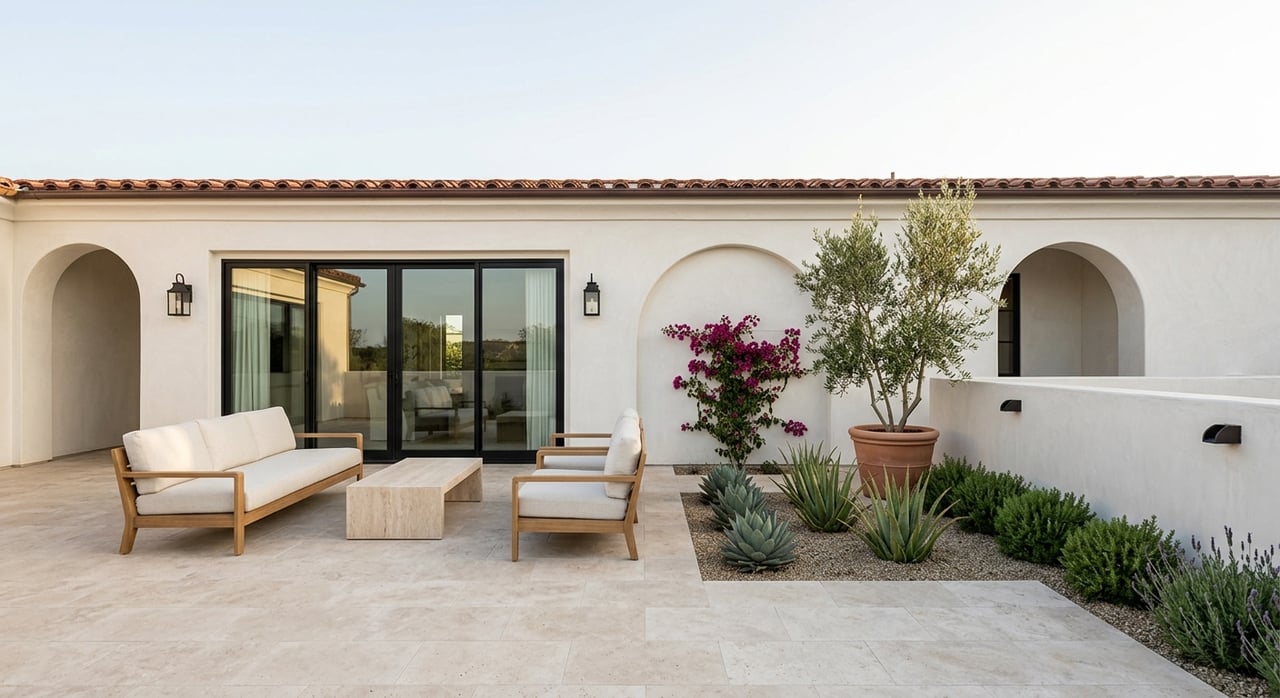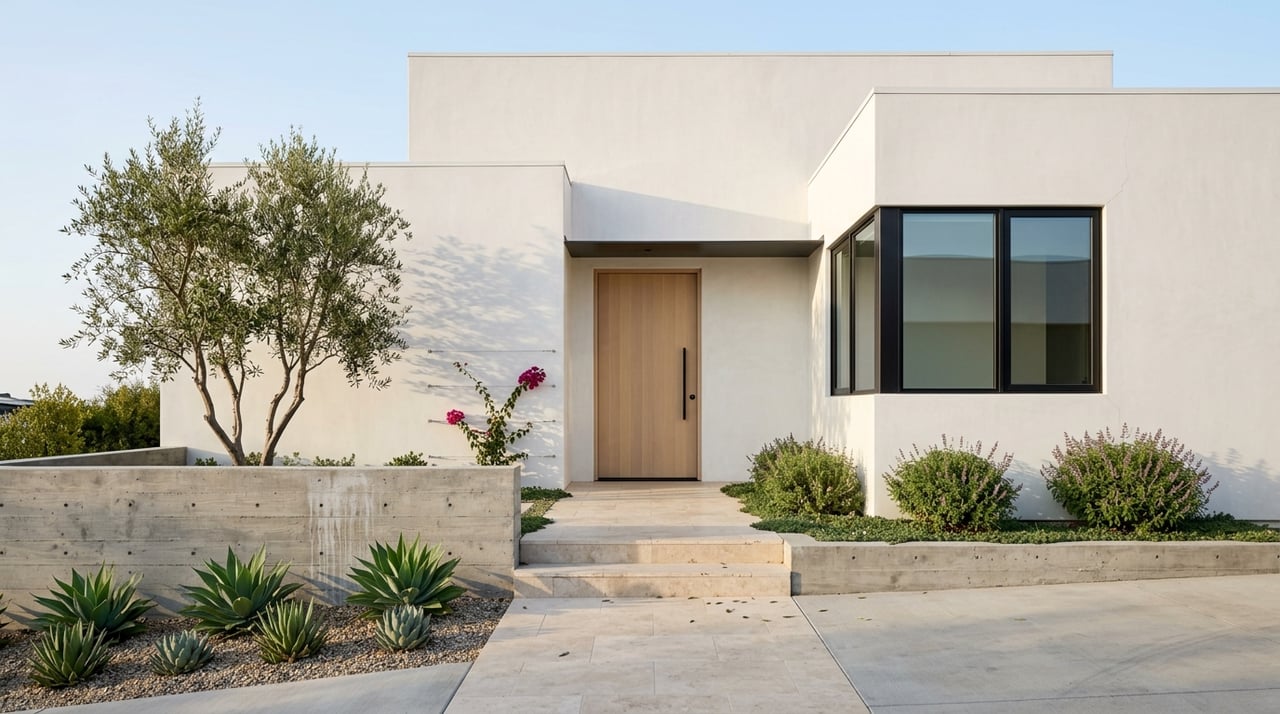
If you are deciding between a beachside home and a hillside home in Del Mar, the choice is usually less about price tier and more about how you want to live day to day. Both settings are highly desirable, but they offer very different ownership experiences once you look at access, views, traffic, hazard planning, and building constraints. This guide will help you compare the real differences so you can focus on the fit that matches your priorities. Let’s dive in.
Del Mar's Real Divide
In Del Mar, the beachside versus hillside decision is not simply about being near the coast. The entire city sits within California's Coastal Zone, so the more meaningful difference is which overlay zones, hazard maps, and access conditions apply to a specific parcel.
Beachside generally refers to the Beach Overlay Zone and shoreline-adjacent blocks near the Village and North Beach. Hillside usually refers to the Bluff, Slope and Canyon Overlay Zone, coastal bluff parcels, and upland areas above the lagoon and canyons. In a small built-out city with about 4,200 residents and roughly 2,000 assessed parcels, those distinctions can shape your ownership experience in a major way.
What Beachside Living Offers
Beachside Del Mar is about immediate connection to the shoreline. You are close to more than 2 miles of sandy beach, as well as places like Powerhouse Park, Seagrove Park, and North Beach. The city also notes public beach access at every street end, the river mouth, and Powerhouse Park.
For many buyers, the biggest draw is convenience. Village streets can often be navigated on foot or by bike, which creates a more relaxed routine for beach walks, casual dining, and quick trips without needing to use the car.
That convenience also comes with more public activity. Del Mar attracts more than 2 million visitors each year, and beach-adjacent streets can feel busier, especially during peak seasons and weekends. The city provides free parking in parts of North Beach and notes several hundred spaces within two blocks of the beach, but it still advises arriving early or later in the day.
Beachside Pros
- Immediate access to sand, parks, and coastal amenities
- Walkable village lifestyle with less reliance on a car
- Strong connection to Del Mar's public energy and daily beach routine
- Easy access points along the shoreline
Beachside Trade-Offs
- More visitor traffic near beach blocks
- Parking can be less convenient during busy times
- Greater need for parcel-specific flood and shoreline review
- Long-term sea-level-rise planning may matter more for some properties
What Hillside Living Offers
Hillside Del Mar often feels more elevated, both literally and visually. These areas are shaped by sandstone bluffs, canyons, and steep slopes, and many homes are positioned to take advantage of view corridors and a greater sense of separation.
This setting tends to be more terrain-driven than beachside living. The city does not require one architectural style, but its design review standards emphasize homes that respond to the site. In the Bluff, Slope and Canyon Overlay Zone, that can mean split-level plans, step-backs from downhill slopes, reduced building pads, earth-tone finishes, and visually open fencing.
For buyers who value privacy and a quieter feel, hillside areas may offer a better match. Del Mar points to walks and runs through Crest Canyon, coastal bluffs, Scripps Bluff Preserve, and the San Dieguito River Lagoon. That access to trails, overlooks, and open space often creates a more topography-aware ownership experience.
Hillside Pros
- Greater sense of elevation and separation
- Strong potential for view-focused living
- Access to trails, canyon areas, and overlooks
- Often quieter than beach-adjacent blocks
Hillside Trade-Offs
- Less immediate beach access for daily routines
- More site-sensitive design and construction constraints
- Fire hazard and evacuation planning may be more relevant near open space
- Bluff-top parcels may require added geotechnical review and setbacks
Hazard Planning Matters
In Del Mar, hazard exposure is one of the clearest differences between beachside and hillside ownership. This is where the decision becomes very practical.
For beachside homes, the key concerns often involve coastal flooding, wave action, and bluff conditions. FEMA's coastal hazard study indicates that beach-front properties north of 18th Street to the San Dieguito Lagoon River Mouth should be mapped as Special Flood Hazard Area because of wave action and coastal flooding, even though the city notes some properties west of Ocean Front Avenue are not in the Floodplain Overlay Zone.
The city also identifies beachfront, beach-area, and bluff-top residences as vulnerable in its sea-level-rise planning. Del Mar is pursuing beach nourishment, sediment management, and continued monitoring of beach width, bluff conditions, and flood conditions, which makes long-term adaptation part of the ownership conversation for some homes.
For hillside homes, the concerns shift. Del Mar's 2025 fire hazard maps significantly expanded High and Very High Fire Hazard Severity Zones, especially in neighborhoods next to open space. New construction in those zones must meet Chapter 7A and defensible-space requirements.
Some hillside and canyon-edge neighborhoods also require more attention to evacuation planning. The city has prepared a Crest Canyon evacuation plan for neighborhoods adjacent to Crest Canyon and related upland areas, which is an important due diligence point if you are considering a home near canyon edges or preserved open space.
Bluff Rules and Building Limits
If you are thinking long term about remodeling, expanding, or building new, hillside and bluff-top properties often require especially careful review. Del Mar's coastal bluff rules require a 40-foot setback from the edge of the bluff top for principal and accessory structures.
New bluff-top construction must also include a geotechnical report that addresses existing conditions, site suitability, and the project's effect on bluff stability over a 70-year life span. The city's coastal bluff overlay rules also require real estate disclosure within the overlay boundary.
Beachside properties can also face constraints, but the issues are usually tied more closely to shoreline access, flood exposure, and adaptation planning. In both settings, it is wise to treat every parcel as its own case rather than assume the same rule applies across a block or neighborhood.
Daily Lifestyle Comparison
When buyers compare the two settings, the decision often comes down to how they want an ordinary Tuesday to feel. Beachside homes generally support a sand-first, walk-first routine with more direct access to Del Mar's public spaces and village rhythm.
Hillside homes usually lean toward views, privacy, and a more tucked-away setting. You may trade spontaneous beach access for a stronger feeling of separation and a setting that responds more directly to the natural contours of the land.
Here is a simple way to think about it:
| Priority | Beachside | Hillside |
|---|---|---|
| Daily beach access | Stronger fit | Less immediate |
| Walkability | Stronger fit | Varies by parcel |
| Privacy | More limited in busy areas | Often stronger |
| Views and elevation | Varies | Often a major draw |
| Traffic and visitor activity | Typically higher | Typically lower |
| Hazard focus | Flood, wave action, shoreline conditions | Fire zones, slopes, bluff stability |
| Remodel constraints | Parcel-specific coastal review | Often more terrain and bluff-related review |
Questions to Ask Before You Buy
The best Del Mar decisions are parcel-specific. Two homes with similar views or distance to the coast can come with very different ownership considerations.
Before you move forward, ask questions like these:
- Is the property in the Beach Overlay, Coastal Bluff Overlay, Floodplain Overlay, or a Fire Hazard Severity Zone?
- Are there bluff setback requirements or geotechnical report requirements?
- Could flood insurance be a factor for this parcel?
- What does parking and beach access feel like during peak season?
- If the home is near Crest Canyon or another open-space edge, what does evacuation planning look like?
- Is the lot realistic for future additions or remodels under Del Mar's site-sensitive design rules?
Infrastructure can also influence your decision. Del Mar's citywide undergrounding program is intended to remove utility poles and overhead lines, improve views, reduce fire hazards from downed lines, and increase reliability. Current districts include Beach Colony and Crest Canyon, which shows how even city infrastructure can affect the feel and function of a given area.
Which Del Mar Setting Fits You Best
If your ideal lifestyle means frequent beach walks, village access, and a home that keeps you close to Del Mar's coastal energy, beachside may feel like the better fit. If you value elevation, separation, topography, and view-driven living, hillside may be the stronger choice.
Neither setting is automatically better. In Del Mar, both are premium, and the smartest choice usually comes from matching the parcel's overlay rules, hazard profile, and daily lifestyle fit with your goals.
If you want a seasoned, parcel-by-parcel perspective on Del Mar's micro-markets, Cohen Albrecht Real Estate Group offers the discreet guidance and coastal expertise to help you compare options with clarity.
FAQs
What is the difference between beachside and hillside homes in Del Mar?
- Beachside homes are generally near the shoreline, Village, and North Beach, while hillside homes are typically in bluff, slope, canyon, and upland areas where topography and overlay rules play a larger role.
Are beachside homes in Del Mar more walkable than hillside homes?
- In general, yes. Beachside homes are usually closer to village streets, parks, and public beach access, which can make walking and biking easier for everyday routines.
Do hillside homes in Del Mar have more building restrictions?
- Some do. Hillside and bluff-top parcels may face site-sensitive design standards, bluff setbacks, geotechnical review, and other rules tied to slope stability and landform protection.
Are beachside homes in Del Mar at greater flood risk?
- Some beach-front properties may have more exposure to wave action and coastal flooding, so flood-related due diligence should be part of the review for any shoreline-adjacent parcel.
Do hillside homes in Del Mar face fire hazard concerns?
- They can, especially near open space. Del Mar's 2025 fire hazard maps expanded High and Very High Fire Hazard Severity Zones in several upland areas, and new construction in those zones must meet added requirements.
How should buyers compare beachside and hillside homes in Del Mar?
- Start with your lifestyle priorities, then review parcel-specific overlays, hazards, access, parking, evacuation planning, and future remodeling potential before making an offer.