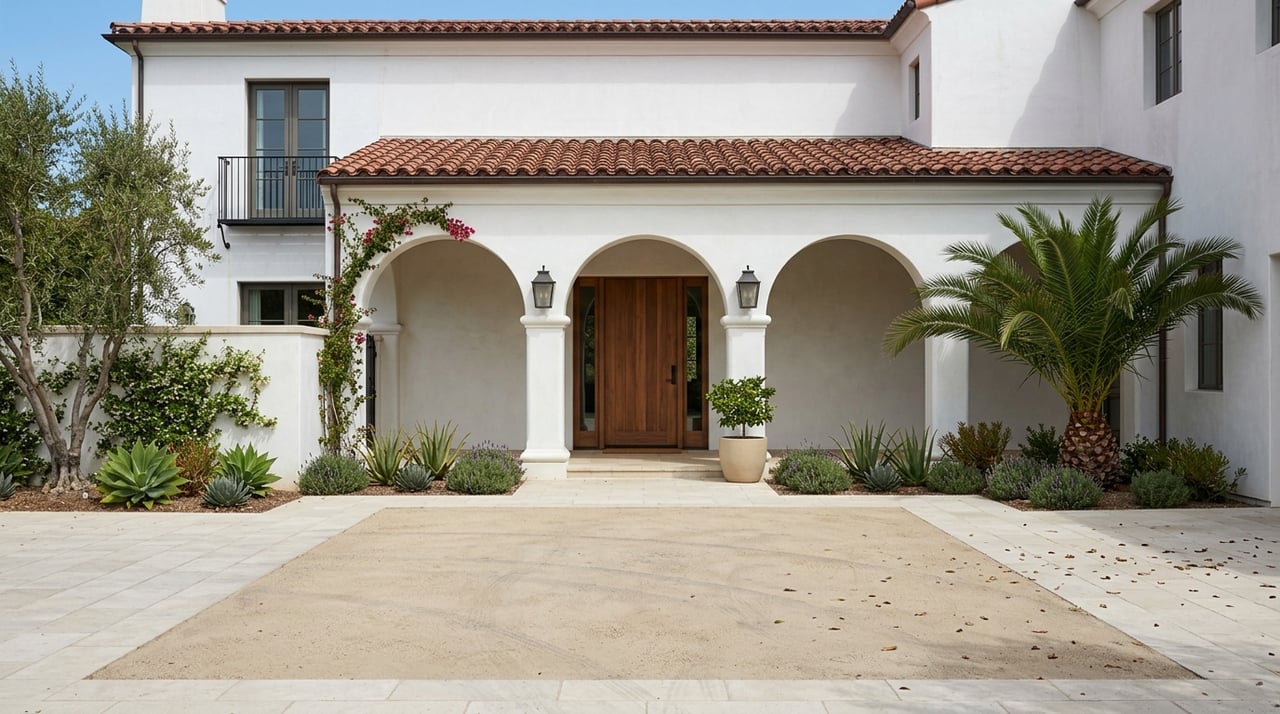
If you are thinking about buying an estate in La Jolla Farms, you are not shopping in a typical coastal neighborhood. You are stepping into one of La Jolla’s rarest micro-markets, where privacy, parcel size, and coastal setting often matter just as much as the house itself. In this guide, you’ll get a clear look at what makes La Jolla Farms distinct, what estate-scale ownership can involve, and what to evaluate before you buy. Let’s dive in.
Why La Jolla Farms Stands Apart
La Jolla Farms sits on the northern edge of La Jolla, in a small coastal pocket with a buffered, tucked-away feel. The City of San Diego describes La Jolla as a primarily residential community of about 32,000 residents across roughly 5,700 acres, shaped by bluffs, beaches, canyons, and hillsides. In La Jolla Farms, that geography feels especially important because the area is set apart from much of the rest of La Jolla by Scripps and part of UC San Diego.
That separation helps explain why La Jolla Farms often feels more private and estate-oriented than many other coastal neighborhoods. It is also part of a broader La Jolla community that is about 99 percent built out under the La Jolla Community Plan. In practical terms, that means opportunities here tend to come from rare turnover, redevelopment, or infill rather than large waves of new construction.
Estate Origins Shape the Neighborhood
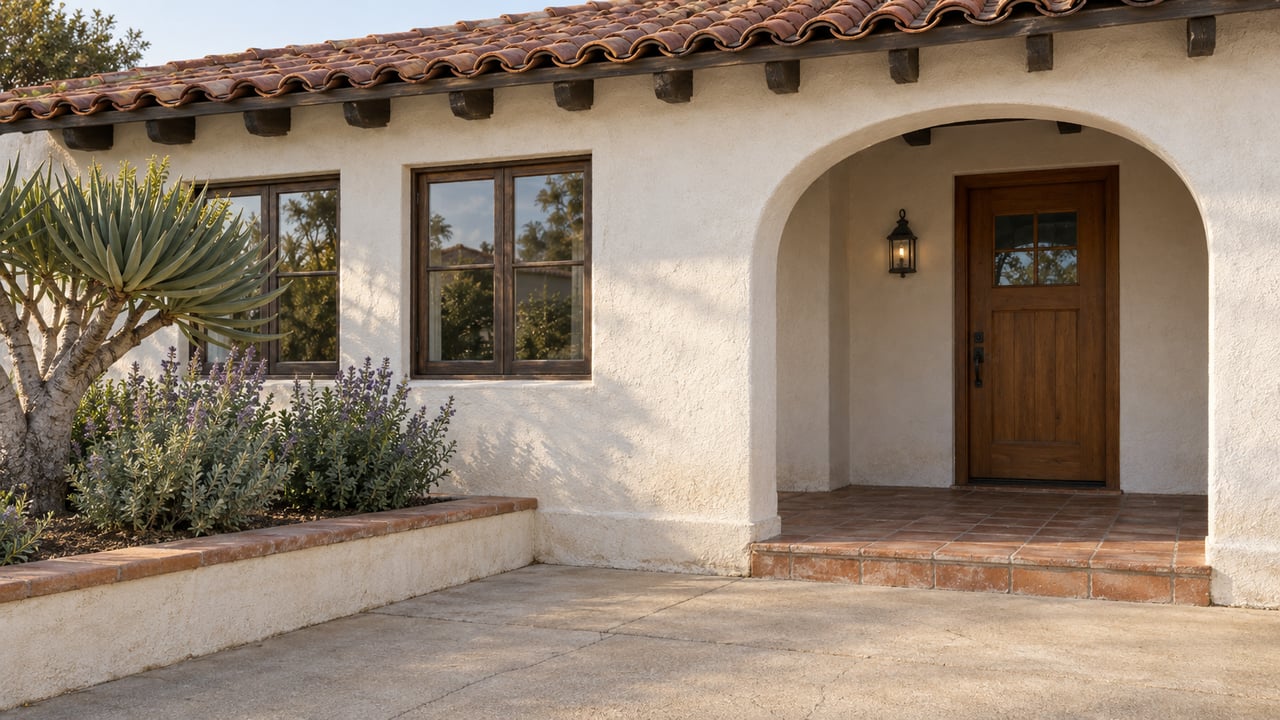
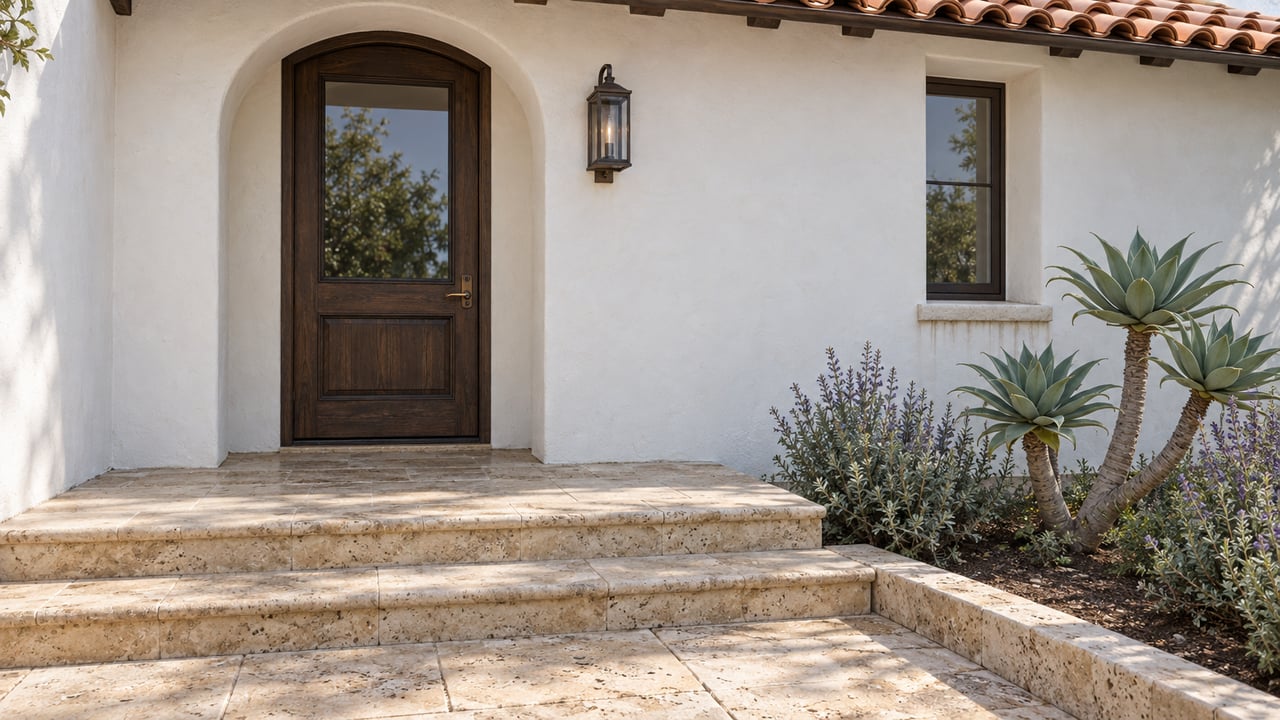
La Jolla Farms has roots that differ from a conventional subdivision story. The City of San Diego’s historical survey notes that the area was developed in 1947 by William Black. UC San Diego materials also point to the Audrey Geisel University House, originally the first home built in La Jolla Farms, designed in Pueblo Revival style.
That history matters because it helps explain the neighborhood’s identity today. Rather than a uniform tract with repeated floor plans, La Jolla Farms developed with a more custom, estate-driven character. The result is a setting where homes are often highly individual and closely tied to their sites.
What “Estate” Means Here
In La Jolla Farms, the word estate is not just marketing language. Recent City project files show the kind of scale buyers may encounter in this enclave.
One property at 9696 La Jolla Farms Road sits on a 3.82-acre site with a residence of more than 24,000 square feet that was being expanded to over 25,000 square feet. Another at 9872 La Jolla Farms Road is identified as a 1.52-acre site with more than 18,000 square feet of construction. A third file for 9860 La Jolla Farms Road describes a 0.80-acre site with a 12,140-square-foot single-family residence.
These examples show that estate buying here often means:
- Larger parcels than you would typically find in built-out coastal neighborhoods
- Custom homes with significant square footage
- Elevated sites shaped by bluffs, hillsides, and coastal conditions
- Remodel or rebuild scenarios that may involve detailed review
For you as a buyer, that combination can be exciting, but it also means each property deserves careful, parcel-specific analysis.
Architecture Is Custom, Not Cookie-Cutter
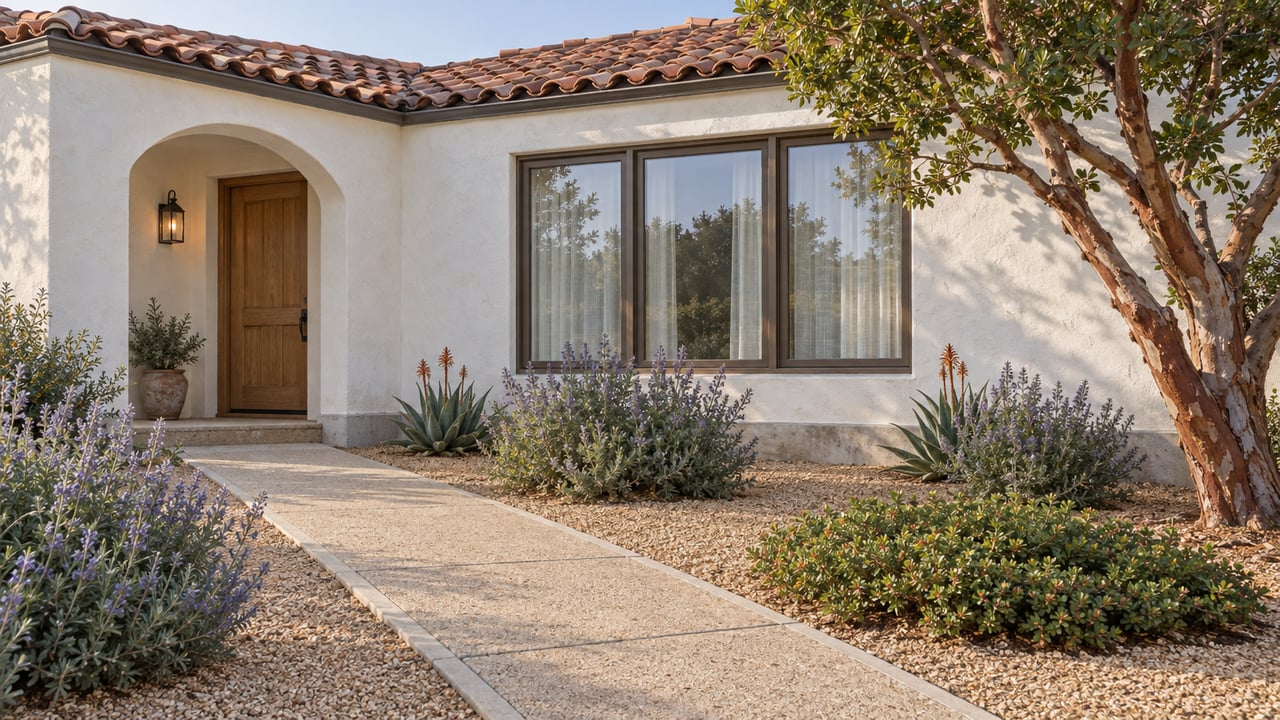
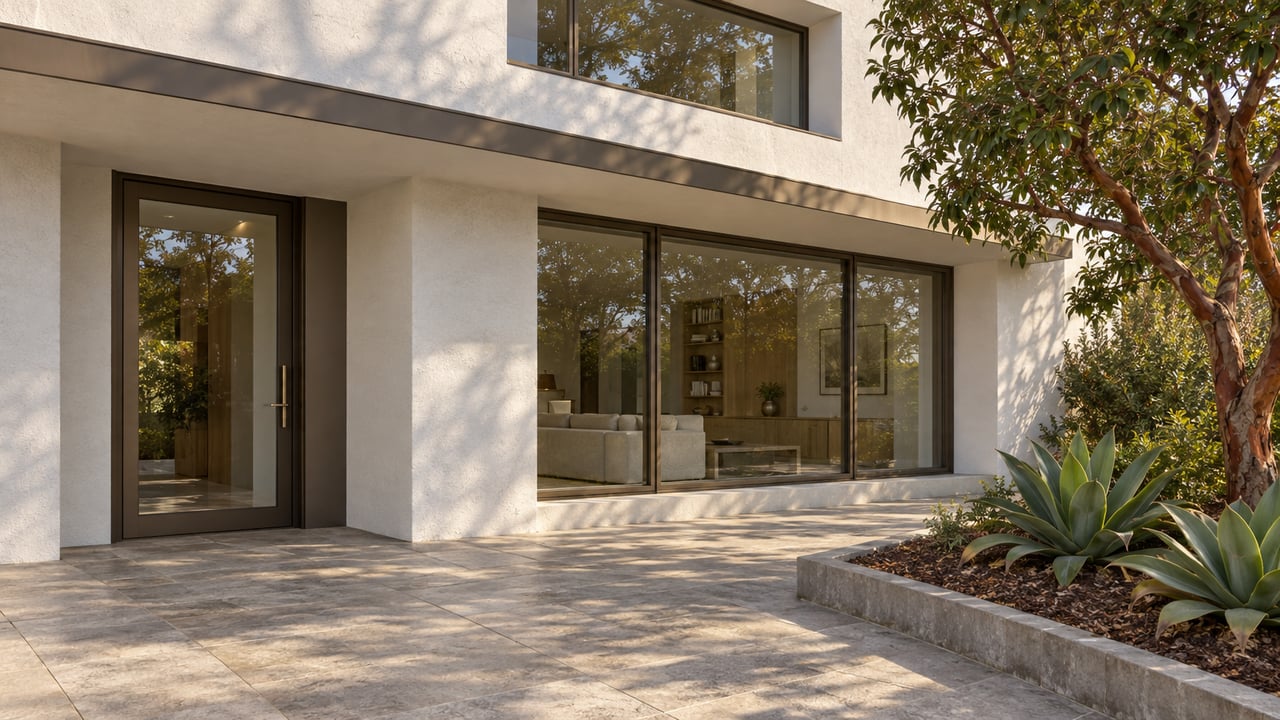
Broader La Jolla includes a wide architectural mix, from beach cottages and Spanish Revival homes to midcentury modern, ranch, and contemporary residences. In La Jolla Farms, the housing character is best understood as custom and site-specific rather than stylistically uniform.
That is important if you are searching for a signature property. You may find homes that lean traditional, modern, or something in between, but the common thread is often individuality. In an estate setting like this, design, lot orientation, and view relationship can matter more than fitting into one neat style category.
Pricing in a Rarefied Micro-Market
La Jolla Farms operates inside an already premium market, but it sits in an even more exclusive tier. Redfin reports a recent median sale price of $6.3 million in La Jolla Farms over the last three months, compared with $2.4 million for La Jolla overall and $950,000 citywide in San Diego. That puts La Jolla Farms at roughly 2.6 times La Jolla overall and about 6.6 times San Diego overall on that snapshot.
There is one very important caveat. Redfin’s recent La Jolla Farms data reflects only one sale in that period, so the median is highly sensitive to a single transaction. In a market with such limited turnover, broad averages can be useful for context, but they should never replace property-level valuation and real-time market judgment.
Realtor.com’s broader La Jolla snapshot also helps frame the area. It shows 223 for-sale properties, a median asking price of $2.80 million, and a median of 46 days on market, which reinforces how far above the broader La Jolla market many La Jolla Farms estates can sit.
Lifestyle: Privacy, Coastline, and Open Space
A major part of the appeal here is not just the home itself, but the land around it. La Jolla Farms is unusually close to UC San Diego, Scripps research lands, and protected coastal open space. UC San Diego says the Scripps Coastal Reserve includes about 86 acres of upland habitats along with the adjacent 934-acre San Diego-Scripps Coastal State Marine Conservation Area.
The Scripps Coastal Meander Trail offers public coastal views stretching from La Jolla Cove toward Torrey Pines State Beach. UC San Diego also notes that from La Jolla Farms, there is access to the blacktop road to Black’s Beach, which is owned and maintained by the university for emergency vehicle access. Together, these details help define the setting: coastal, scenic, and closely tied to managed public and protected lands.
Nearby Coastal Amenities
If you value outdoor access, La Jolla Farms places you near several of the area’s best-known natural assets. Torrey Pines State Natural Reserve lies between La Jolla and Del Mar. The City of San Diego identifies La Jolla Shores as a roughly one-mile sandy beach with permanent lifeguard service and the city’s only beachfront boat launch.
The City also identifies La Jolla Cove and Black’s Beach among the area’s permanent lifeguard beaches. La Jolla Cove sits within the La Jolla Underwater Park Ecological Reserve, where fishing and removal of objects are prohibited. For you, this means the surrounding coastline offers exceptional recreation and scenery, but also comes with protected-use rules and managed access.
What Buyers Should Understand Before Making an Offer
The biggest difference between buying an estate in La Jolla Farms and buying in many other neighborhoods is regulatory complexity. The California Coastal Commission states that development within the coastal zone generally may not begin until a Coastal Development Permit has been issued by either the Commission or a local government. The City of San Diego also advises buyers to review zoning rules for allowed uses, setbacks, heights, and floor area.
That matters because multiple La Jolla Farms properties appear in City files with layers of regulation attached to them. Depending on the parcel, you may see RS-1-2 zoning, Coastal Overlay or Coastal Overlay Appealable designations, first-public-roadway considerations, parking-impact overlays, transit-related overlays, environmentally sensitive lands, or steep hillside conditions.
In other words, two beautiful estates on the same street may present very different opportunities and limitations. That is why due diligence here should go well beyond finishes, view lines, and room count.
Key Due Diligence Questions
When you evaluate a La Jolla Farms estate, it helps to think in terms of the parcel as much as the residence. A thoughtful review often includes questions like these:
- What is the exact zoning for the property?
- Which overlays apply to the parcel?
- Is there any coastal permit history to review?
- Are there bluff, slope, or steep hillside issues?
- How are drainage and runoff handled on site?
- Are there recorded easements or access constraints?
- Would future plans for additions, a pool, guest quarters, or garage changes trigger hearings or further review?
- Are there environmentally sensitive land considerations tied to the site?
City entitlement records for properties in La Jolla Farms show why these questions matter in practice. Sensitive biological resources, steep hillsides, coastal height limits, and parking-impact considerations can all become part of the decision-making process.
Remodeling and Rebuilding Can Be More Involved
Many buyers in La Jolla Farms are not only buying for today. They are also buying for what a property could become over time. In this neighborhood, however, remodeling or rebuilding can be more complex than in an inland area because site conditions and coastal rules may shape what is feasible.
That does not mean improvement potential is off the table. It means your planning should start with facts, not assumptions. Early review of zoning, overlays, permit history, and physical site constraints can save substantial time and help you understand whether a property aligns with your long-term goals.
How to Think About Value in La Jolla Farms
Value in La Jolla Farms is rarely just about price per square foot. In an estate micro-market, pricing is often influenced by lot size, privacy, relationship to open space, coastal orientation, site usability, and the likelihood of future improvements. A property with a dramatic setting may also come with more regulatory complexity, while a more straightforward parcel may command value for a different reason.
That is why local context matters so much here. A home’s position within the enclave, its parcel characteristics, and its entitlement profile can all affect what you are really buying. In a low-turnover market, understanding those differences can be more useful than relying on broad averages alone.
Why Local Guidance Matters
Buying in La Jolla Farms calls for more than general luxury-market knowledge. You need someone who understands La Jolla’s coastal micro-markets, knows how to interpret parcel-specific context, and can help you compare lifestyle value with practical ownership considerations.
For many buyers, the goal is not simply to secure a beautiful home. It is to make a confident decision about one of the rarest kinds of property in coastal San Diego. That process benefits from measured guidance, strong market perspective, and a careful eye for both opportunity and risk.
If you are considering an estate purchase in La Jolla Farms, working with a senior-led local team can help you evaluate inventory with the discretion, clarity, and detail this market deserves. To schedule a private consultation, connect with Cohen Albrecht Real Estate Group.
FAQs
What makes La Jolla Farms different from other La Jolla neighborhoods?
- La Jolla Farms is a small, estate-oriented coastal enclave on La Jolla’s northern edge, known for larger parcels, custom homes, rare turnover, and proximity to UC San Diego, Scripps lands, and protected coastal open space.
What price range should buyers expect in La Jolla Farms?
- Recent Redfin data showed a median sale price of $6.3 million in La Jolla Farms, but that figure was based on only one sale in the period, so values should be evaluated carefully on a property-by-property basis.
What should buyers review before purchasing a La Jolla Farms estate?
- Buyers should review parcel-specific zoning, overlays, permit history, setbacks, height limits, slope or bluff conditions, drainage, easements, and whether future improvements could require additional approvals.
What zoning issues can affect a La Jolla Farms property?
- City files for La Jolla Farms properties reference RS-1-2 zoning along with Coastal Overlay, Coastal Overlay Appealable, parking-impact overlays, and environmentally sensitive or steep hillside conditions, depending on the parcel.
Is remodeling a home in La Jolla Farms more complicated?
- It can be, because coastal permits, site conditions, steep hillsides, and other parcel-specific regulations may affect what you can build, expand, or change.
What lifestyle benefits come with living in La Jolla Farms?
- Buyers are often drawn to the combination of privacy, estate scale, coastal views, access to nearby trails and beaches, and adjacency to protected open space and research lands.